What I Read This Week.
Six articles worth considering


Since I am reading a lot of articles to get my brain working, I figured I could share the ones I enjoyed the most. Well, not in the fun way, but interesting and thought provoking way.
I don’t always agree with what is said, but it is interesting to gain an understand of how people view the world and how they would fix it (or think it is unfixable).
1 · CIVILISATIONAL COLLAPSE · NOVEMBER 2026
Nate Hagens — The Great Simplification

He discusses how exception growth over the last 150 to 200 years is an anomaly, and how there are seven ways that will end that growth.
From geopolitical conflict to ecological limits, and how debt and spending matters.
Why it’s interesting: Hagan explores how we are heading to a great simplification in how we live and the contradictions that attempts to reform and prevent the change of state will destabilise it even more.
2 · WORK AND INEQUALITY · NOVEMBER 2026
Hamilton Nolan — How Things Work

A Federal Job Guarantee for the AI Era
A description of what a guaranteed employment program would look like and why it is needed.
Why it’s interesting: With technology becoming increasingly better at work, and cheaper, a discussion needs to be had about what to do with all those people who need to work to survive.
by Hamilton Nolan
3 · ARTIFICIAL INTELLIGENCE · 18 NOVEMBER 2026

The Moral Mandate for AI Non-consciousness
An argument to prevent artificial intelligence from becoming conscious.
And how figuring this out is a moral imperative before it becomes too late.
Why it’s interesting: He is asking whether we should ensure AI does not develop consciousness. It is about morality, suffering and our right to design an intelligence in the first place.
by Erik Hoel
4 · WEALTH AND SOCIETY · NOVEMBER 2026
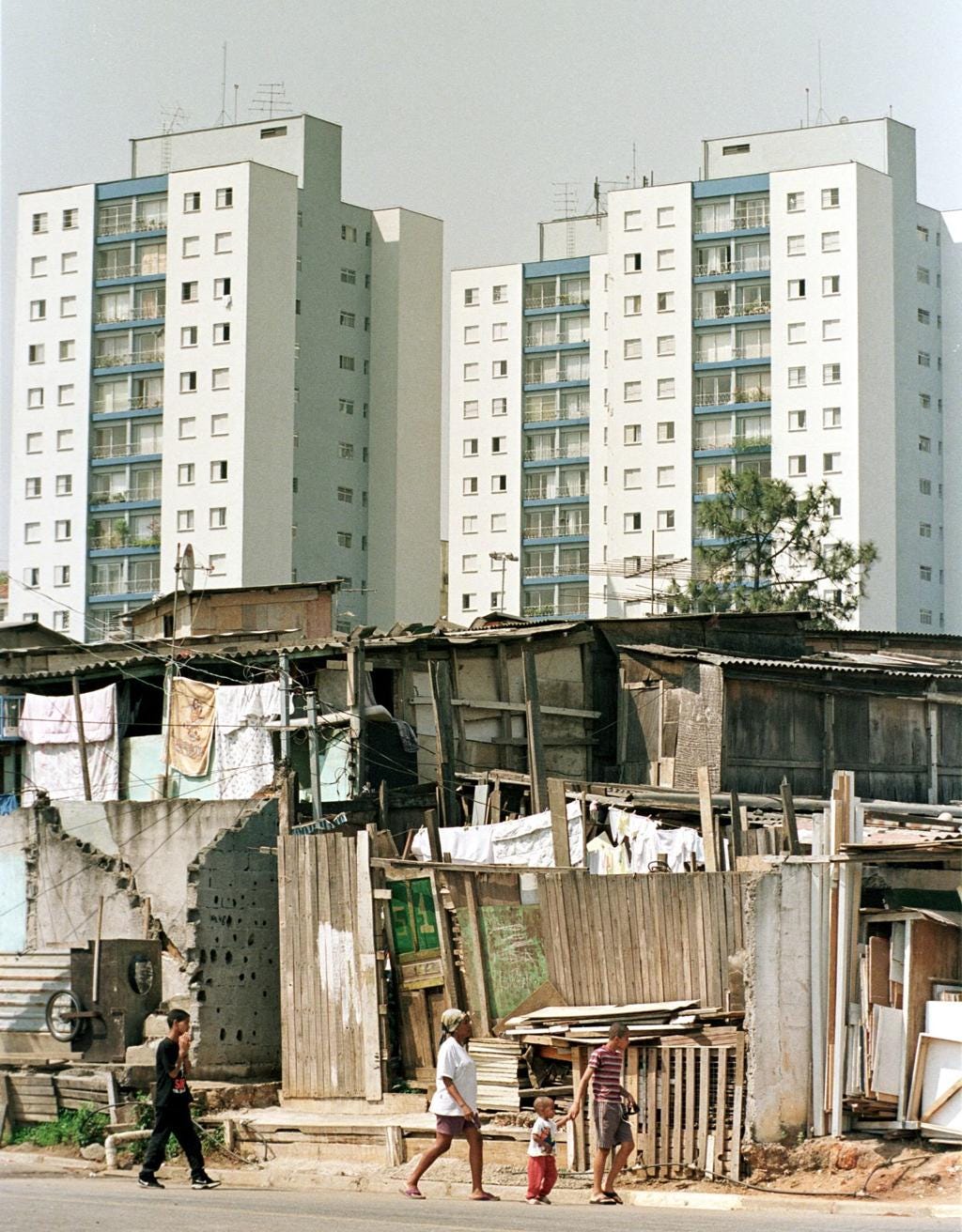
The Dismantling of the Middle Class
Gabriel Paun — Substack
An exploration of the relationship between a society that is becoming numb, the concentration of power and the idea that we may end up in a digital dictatorship
Why it’s interesting: It discusses how the amount your income is and independence is disappearing. That even people earning a decent income are becoming financially vulnerable.
by Gabriel Paun
5 · CLIMATE POLITICS · 11 NOVEMBER 2026

Climate-finance pledges fall 70% as countries meet at COP31
Josh Gabbatiss — Carbon Brief
An investigation into falling commitments from wealthy countries to help poorer nations adapt to climate change.
Why it’s interesting: Carbon Brief calculates that new multi-year public climate-finance pledges have dropped by more than 70%. That raises the question of whether rich countries intend to help vulnerable populations or simply leave them to absorb the damage.
Carbon Brief
6 · CHALLENGING CLIMATE ASSUMPTIONS · SEPTEMBER 2026

Roger Pielke Jr. — The Honest Broker
Challenges the use of extreme climate scenarios in public discussion, arguing that some analyses reintroduce assumptions he considers implausible.
Why it’s interesting: Raising important questions about how scientists, commentators and governments communicate climate risks.
The Honest Broker
Discussion about this post